

Pure Air Starts with Plants
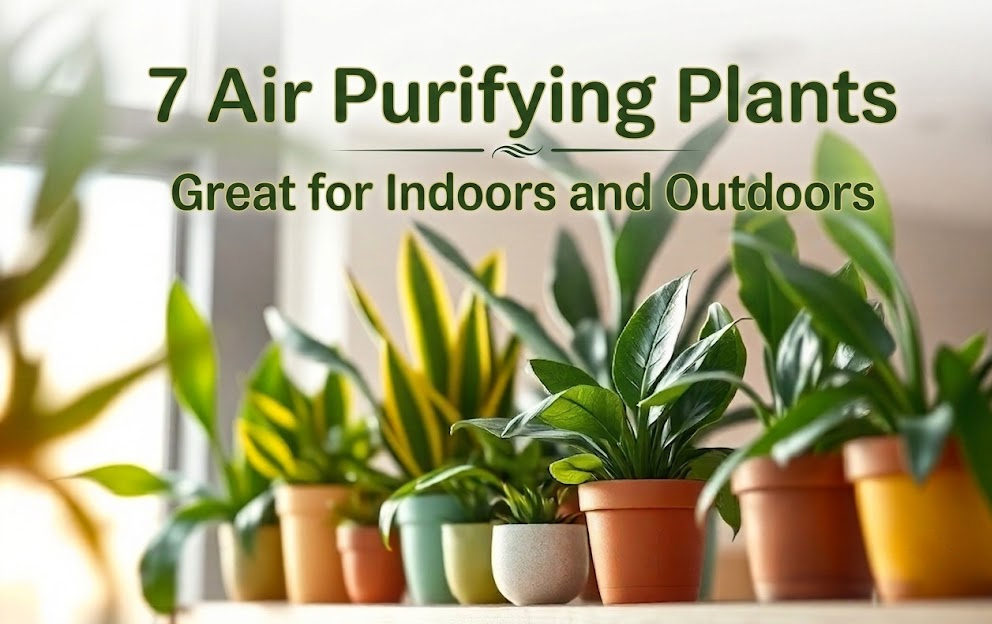
In an era where air pollution is a significant concern, creating a healthy environment inside and around our homes has become a priority for many. Planting trees not only adds beauty, tranquility, and freshness to a space but also many types possess special qualities for purifying the air, absorbing toxins, and producing oxygen, significantly improving indoor air quality. This article introduces 7 popular air-purifying plants that are excellent for indoor air purification and can also be used to beautify outdoor gardens, adding more green spaces.
Benefits of Air Purifying Plants
Before diving into specific plants, let’s understand their main benefits:
- Absorb Toxins Many plants can absorb harmful chemicals commonly found in homes, such as formaldehyde, benzene, xylene, and trichloroethylene, which can originate from furniture, paints, or cleaning products.
- Produce Oxygen Through photosynthesis, plants convert carbon dioxide into oxygen, essential for human and animal respiration.
- Increase Humidity Plants release water vapor, helping to increase relative humidity, reducing dry skin, dry eyes, and respiratory irritation.
- Reduce Stress and Improve Focus Having greenery around can promote relaxation, reduce stress, and enhance concentration during work or rest.
- Decorate and Enhance Aesthetics Plants with beautiful leaves or flowers can be key elements in decorating homes and gardens, creating a more pleasant atmosphere.
7 Popular Air Purifying Plants
1. Snake Plant (Sansevieria trifasciata)
The Snake Plant, also known as Mother-in-law’s Tongue, is one of the most popular air-purifying plants. Its upright, elegant leaves and high resilience make it suitable for various light conditions, from bright sun to shade, and even low light.
- Air Purification Properties Uniquely, Snake Plants absorb toxins at night and release oxygen 24/7, making them ideal for bedrooms.
- Care Requires minimal watering; water only when the soil is dry to prevent root rot.
- Garden Use Excellent for lining walkways, placing in corners, or as a low hedge.
2. Pothos (Epipremnum aureum)
Pothos is an easy-to-grow, low-maintenance vining plant with excellent air-purifying capabilities. It can be grown in hanging baskets, trained to climb walls, or allowed to trail over furniture.
- Air Purification Properties Helps remove toxins like formaldehyde and benzene.
- Care Prefers indirect light; avoid direct sun. Can be grown in water or soil. Water when the soil starts to dry out.
- Garden Use Ideal for hanging baskets or covering structures. Can also be used as an indoor ornamental plant.
3. Peace Lily (Spathiphyllum spp.)
The Peace Lily is a beautiful flowering plant with elegant white spathes and glossy dark green leaves. Beyond its aesthetic appeal, it boasts outstanding air-purifying qualities.
- Air Purification Properties Highly effective at removing various toxins, including ammonia, benzene, formaldehyde, and trichloroethylene.
- Care Prefers medium to low indirect light. Water regularly when the soil begins to dry. Appreciates high humidity.
- Garden Use Suitable for indoor spaces, under larger trees, or in shady garden areas.
4. Chinese Evergreen (Aglaonema spp.)
Chinese Evergreen is an ornamental plant featuring diverse and attractive leaf patterns in shades of green, white, pink, or red. It is a robust and resilient species requiring minimal care.
- Air Purification Properties Helps eliminate toxins such as formaldehyde and benzene.
- Care Prefers indirect light; avoid direct sun. Tolerant of dry conditions. Water when the soil is dry.
- Garden Use Ideal as an indoor ornamental plant or a ground cover in shaded garden spots.
5. Boston Fern (Nephrolepis exaltata ‘Bostoniensis’)
The Boston Fern is a long-time favorite ornamental plant, known for its vibrant green, graceful fronds. It excels at increasing air humidity and purifying the air.
- Air Purification Properties Excellent at removing formaldehyde and significantly boosts air humidity.
- Care Prefers medium to low indirect light and consistently high humidity. Keep the soil moist and mist the fronds regularly.
- Garden Use Perfect for hanging baskets or areas requiring high humidity, such as bathrooms or indoor gardens.
6. ZZ Plant (Zamioculcas zamiifolia)
The ZZ Plant features thick, glossy, dark green leaves, making it a very easy-to-care-for and highly adaptable plant. It is also an effective air purifier.
- Air Purification Properties Helps absorb toxins like formaldehyde, benzene, and xylene.
- Care Tolerates low to moderate light. Highly drought-resistant; water only when the soil is completely dry.
- Garden Use Suitable for indoor spaces with low light or shaded garden areas.
7. Rubber Plant (Ficus elastica)
The Rubber Plant offers a sense of calm and elegance with its large, thick, glossy leaves, available in varieties like Burgundy, Tineke, and Robusta. It can be grown both indoors and outdoors.
- Air Purification Properties Efficiently absorbs airborne toxins, particularly formaldehyde.
- Care Prefers medium to bright indirect light; avoid direct sun. Water when the top 1-2 inches of soil are dry.
- Garden Use Ideal for large pots as a statement piece indoors or as a shade tree in the garden.
Choosing the Right Plants for Your Space
Selecting air-purifying plants should consider several factors:
- Light Conditions Assess the light levels in your intended planting area. For dim, low-light spots, choose shade-tolerant plants like Snake Plants, ZZ Plants, or Chinese Evergreens. For areas with indirect or bright light, opt for plants like some varieties of Rubber Plants.
- Water Requirements Some plants need high humidity, such as Boston Ferns, while others are drought-tolerant, like Snake Plants and ZZ Plants.
- Space Available Consider the mature size of the plant and the available space. Vining plants are good for limited areas or wall decoration, while tall plants make good focal points.
- Pets and Children Some plants can be toxic if ingested. Research plant safety if you have pets or young children.
Conclusion
Introducing air-purifying plants into your home or garden is an investment in better health and a more pleasant living environment. The seven plants mentioned are popular, easy to care for, and effective choices among many air-purifying species. By selecting plants suited to your environment and care routine, you can enjoy the benefits of cleaner air and natural beauty every day.
