

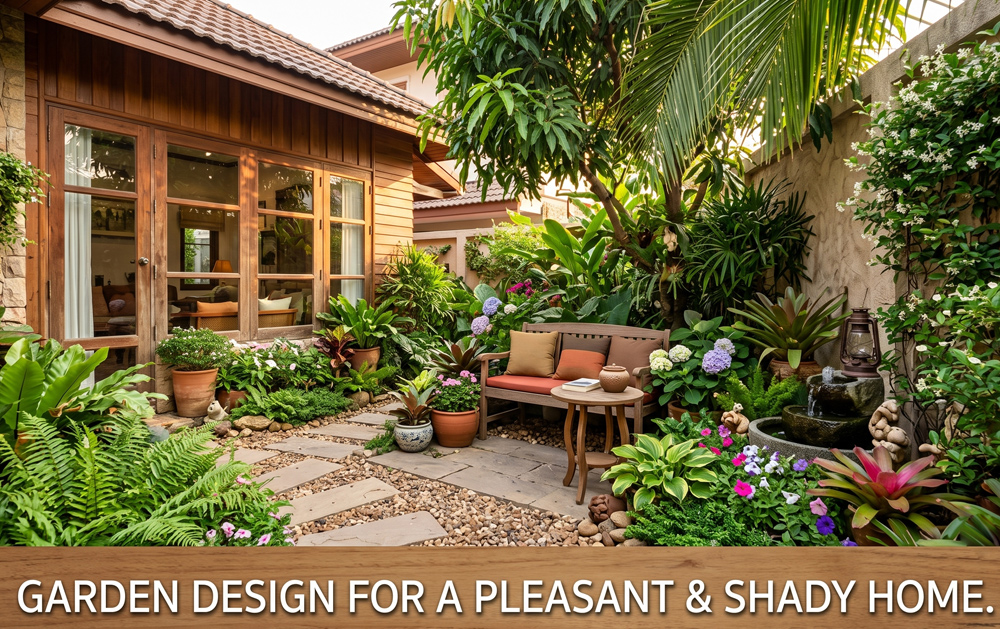
Garden design is more than just planting trees; it’s about creating a green space that reflects your taste, lifestyle, and enhances the quality of life for residents. A beautiful and well-maintained garden can transform an ordinary house into an oasis of happiness and tranquility, increasing its livability and value. This article will present principles and guidelines for designing a garden to make your home pleasant and serene sustainably.
Initial Planning and Conception
Before embarking on garden design, thorough planning is crucial to ensure a garden that meets your needs and is practical.
Understanding Your Space
- Size and Shape of the Area Consider the size of the available space, whether it’s a small garden, a condo balcony, or a spacious plot, to define appropriate boundaries and elements.
- Sunlight Direction Observe the direction of sunlight throughout different times of the day to select suitable plants for the light conditions and plan the placement of seating areas or relaxation spots.
- Soil Conditions and Drainage Check soil quality and drainage. If the soil is poor, it may require improvement before planting.
- Surrounding Environment Consider nearby buildings, fences, or views to ensure the garden integrates with its surroundings.
Defining Style and Functionality
- Garden Style Choose a preferred style, such as modern, English, Japanese, forest, or tropical garden. The chosen style will influence the selection of plants, materials, and decorative elements.
- Functionality Determine the primary purpose of the garden, such as a space for relaxation, reading, dining, outdoor activities, or a children’s play area. Defining the function helps in zoning and selecting various elements.
Budget and Maintenance
- Budget Set a clear budget for design, materials, plants, and labor to effectively manage expenses.
- Maintenance Consider your ability and time for garden care. If you have limited time, choose low-maintenance plants and a simpler garden system.
Key Elements of Garden Design
To create a beautiful and pleasant garden, several elements must work together harmoniously.
Hardscape Elements
These are non-plant components that form the primary structure of the garden.
- Paths and Patios Create paths connecting different areas and patios for activities, ensuring ease of use and defining garden boundaries. Materials can include stone, brick, concrete, or wood.
- Walls, Fences, and Retaining Walls Used to define boundaries, enhance privacy, or level uneven terrain.
- Other Structures Such as gazebos, pergolas, or arches, which add interest and functionality.
Softscape Elements
These are plant components, which are the heart of the garden.
- Primary Plantings Select large trees, shrubs, flowering plants, and groundcovers suitable for the climate, sunlight, and garden style.
- Plant Arrangement Arrange plants to create balance, varying heights, and focal points.
- Color and Texture Selection Consider using a variety of colors and textures of plants to create interest and avoid monotony.
Water Features
Adding water features like ponds, waterfalls, or fountains can create a relaxing atmosphere, add freshness, and attract small wildlife to the garden.
Lighting
Garden lighting is crucial not only for safety during nighttime use but also for creating ambiance and highlighting various features in the garden, such as uplights for trees, path lights, or decorative lanterns.
Furniture and Decor
Choose furniture and decorative items that complement the garden’s style, such as outdoor dining sets, swings, statues, or planters, to enhance aesthetics and functionality.
Selecting Appropriate Plants
Plant selection is a critical factor influencing the beauty and sustainability of the garden.
Native and Climate-Appropriate Plants
Choosing native plants or those that thrive in your climate and region will result in healthier, easier-to-maintain plants and reduce water usage.
Low-Maintenance Plants
For those with limited time, select plants that are resistant to diseases, pests, and fluctuating weather conditions, requiring less frequent pruning or watering.
Variety of Texture and Color
Incorporate plants with different leaf sizes, shapes, and colors, as well as vibrant flowering plants, to create interest and vibrancy in the garden.
Garden Maintenance Tips
Regular maintenance is essential to keep your garden beautiful and pleasant at all times.
- Watering Water sufficiently according to the needs of each plant, especially during hot weather or for newly planted specimens.
- Fertilizing Apply fertilizer as appropriate to promote healthy growth and plant vigor.
- Pruning Trim dry leaves, dead branches, or overgrown plants to control their shape and encourage new growth.
- Weeding and Pest Control Regularly check for and remove weeds, and take measures to prevent various pests.
- Cleaning Sweep leaves and clean paths and other garden elements regularly.
Conclusion
Designing a garden to make your home pleasant and serene is a process that combines both science and art. It begins with meticulous planning, selecting appropriate elements, and extends to consistent maintenance. A well-designed and cared-for garden will become a special space that brings joy, tranquility, and freshness to everyone in the home, making your house a pleasant place to live and return to every day.
