

What is a Home Pocket Park
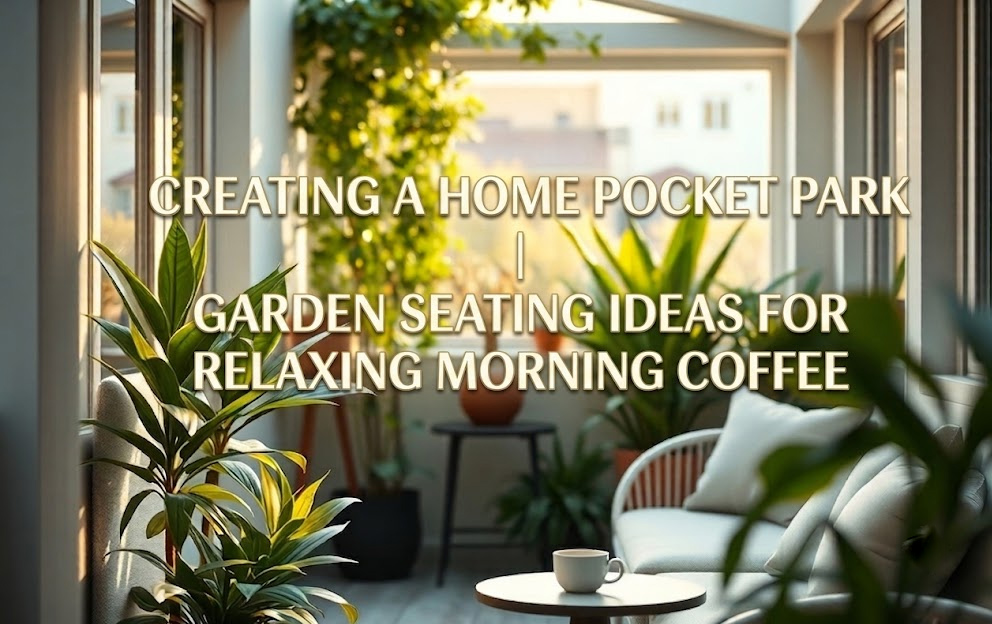
A Pocket Park, or ‘pocket garden,’ is a small green space designed to utilize limited areas. Often found in urban settings to enhance residents’ quality of life, this concept can be excellently adapted for our homes. This is especially true for those with limited garden space or who wish to create a private, easily accessible relaxation corner. Building a home Pocket Park is an investment that not only adds beauty to your residence but also serves as a personal oasis, helping to relieve stress, rejuvenate body and mind, and foster an atmosphere conducive to starting each day refreshed with morning coffee in your garden.
Benefits of Having a Private Pocket Park
Having a Pocket Park at home offers numerous benefits, encompassing physical health, mental well-being, and aesthetic value for your home.
- Promotes Mental Health Being close to nature helps reduce stress, anxiety, and symptoms of depression. Observing greenery and hearing natural sounds contribute to a calm mind.
- Improves Air Quality Plants absorb carbon dioxide and release oxygen, thereby enhancing the air quality in the vicinity.
- Stimulates Creativity Spending time in a relaxing and beautiful environment can stimulate new ideas and inspiration.
- Creates a Private Retreat It serves as a tranquil spot for reading, meditation, or simply sitting back and enjoying the ambiance.
- Increases Property Value A well-designed garden can add attractiveness and beauty to a home, potentially influencing its future property value.
Planning and Designing Your Pocket Park
Successful Pocket Park design requires careful planning to ensure the space is beautiful, functional, and meets the user’s needs.
1. Selecting the Right Location
The most crucial step is choosing a suitable location, whether it’s a small corner beside the house, a backyard balcony, or even an empty space under the stairs. Consider the following factors:
- Sunlight Most plants require at least 4-6 hours of sunlight daily. If the area receives less light, opt for shade-loving plants.
- Drainage Ensure the area has good drainage to prevent waterlogging and root rot.
- Accessibility The area should be easily accessible for convenient use and maintenance.
- Privacy If possible, choose a corner that offers privacy for undisturbed relaxation.
2. Defining Purpose and Usage
Before starting, be clear about what you intend to use your Pocket Park for, such as:
- A morning coffee and reading nook.
- A small space for growing herbs or miniature vegetables.
- A small garden for visual relaxation and enjoying natural sounds.
- An area for yoga or meditation activities.
Defining the purpose will guide you in selecting various elements like plant types, furniture, and decorations.
3. Budget Allocation
Set a clear budget for design, material purchases, plants, and labor (if applicable). Budget planning will help you select appropriate materials and equipment without exceeding your financial limits.
Key Elements for Creating a Pocket Park
A perfect Pocket Park comprises several elements that work together to create a delightful atmosphere.
1. Surfaces and Pathways
Choose materials that suit your style and budget, such as stepping stones, gravel, wood, or polished concrete. Opt for surfaces that are easy to maintain and safe.
2. Plant Selection
Plant selection is the heart of a Pocket Park. Consider the following factors:
- Size and Shape Choose plants that are appropriately sized for the space, not too large to make it feel cramped.
- Light Requirements Select plants that match the light conditions of the area, such as shade-tolerant or sun-loving plants.
- Maintenance Opt for plants that are easy to care for, requiring infrequent watering or pruning.
- Colors and Fragrance Use plants with diverse colors and subtle fragrances to add sensory dimensions, such as jasmine, mock orange, dwarf frangipani, or Murraya paniculata.
- Potted and Vertical Plants Utilize hanging pots, plant shelves, or vertical gardens to add greenery vertically, save space, and create visual interest.
3. Furniture and Seating
Choose furniture that is weather-resistant, comfortable, and appropriately sized for the space, such as outdoor chairs, small tables for coffee cups, or a long bench. Popular materials include wood, metal, or synthetic rattan.
4. Lighting
Lighting is crucial if you plan to use your Pocket Park in the evening or at night. Use solar-powered decorative lights, string lights, or small garden lamps to create a warm and safe ambiance.
5. Water Features (Optional)
A small fountain or a lotus pond can add freshness and soothing sounds to the garden. When choosing water elements, consider the space size and maintenance requirements.
6. Decorations and Art
Add personality and style with decorations such as small statues, uniquely designed plant pots, or weather-resistant artwork.
Steps to Create a Home Pocket Park
Once you have planned and selected all the elements, it’s time to put them into action.
- Prepare the Area Clean the space, remove weeds, level the ground, and check the drainage system. If necessary, lay down a weed barrier.
- Install Surfaces Lay stepping stones, gravel, or create surfaces as designed.
- Set Up Main Structures Install large pots, plant shelves, or vertical garden structures.
- Plant Flora Begin planting according to your plan, considering the height, color, and needs of each plant.
- Arrange Furniture Place furniture and seating in appropriate positions.
- Install Lighting Plan wiring (if needed) or install solar-powered lights.
- Add Decorations Arrange decorations and other elements to complete the garden’s look.
Maintaining Your Pocket Park
To keep your Pocket Park beautiful and inviting, regular maintenance is essential.
- Watering Check soil moisture and water according to the needs of each plant.
- Pruning Trim withered branches or overgrown parts to maintain shape and beauty.
- Fertilizing Apply fertilizer as appropriate to nourish plants for healthy growth.
- Cleaning Regularly sweep dry leaves, remove weeds, and clean surfaces and furniture.
- Pest Control Frequently observe and manage any pests that may affect your plants.
Conclusion
Creating a home Pocket Park is not overly difficult. Even with limited space, you can transform it into a beautiful and functional private retreat. By starting with good planning, selecting suitable elements, and maintaining it consistently, you will have your own Pocket Park—a corner where you can enjoy your morning coffee in a relaxed manner, unwind with nature, and easily enrich your daily life.
