

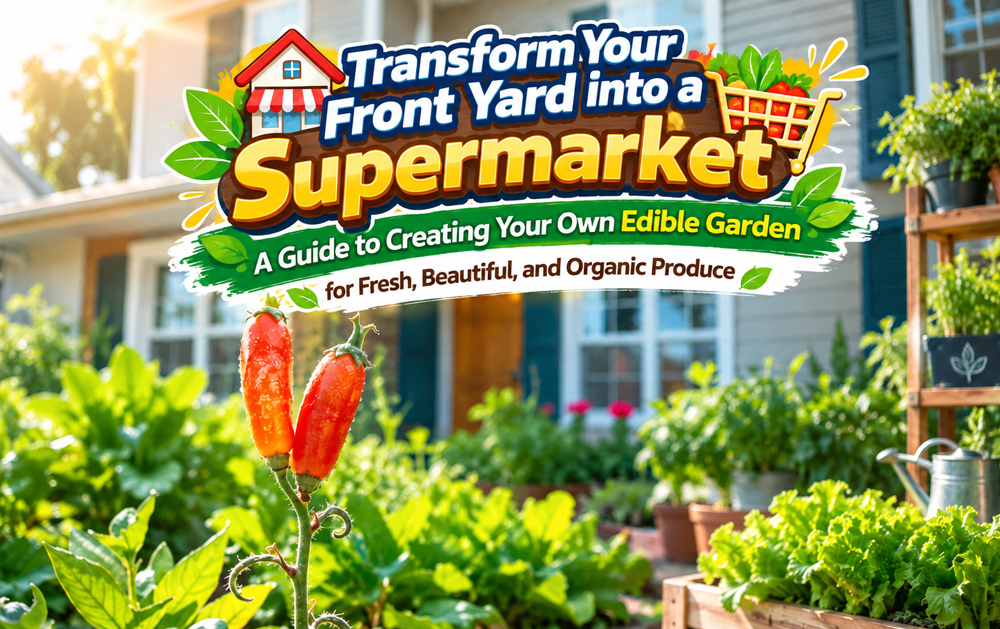
Cultivating a Home Vegetable Garden Fresh, Safe, and Beautiful Food Source
In an era where people are increasingly conscious about health and the environment, cultivating a home vegetable garden has become a widespread trend. It’s not just about creating a fresh, safe, and chemical-free food source for the family, but also about adding green space, providing shade, and fostering a beneficial leisure activity. This article will present the steps and tips to transform your front yard into a personal, organic fruit and vegetable ‘supermarket’.
Why Cultivate a Home Vegetable Garden
- Safety and Organic Produce Growing your own allows you to control the entire process, from seed selection, soil, and fertilizer to pest control. This ensures that the vegetables you consume are free from harmful chemicals.
- Freshness and Superior Taste Vegetables harvested from your own garden will undoubtedly be fresher than those bought from markets or supermarkets, which translates to better taste and nutritional value.
- Cost Savings In the long run, growing your own vegetables can significantly reduce the cost of purchasing produce, especially organic varieties which tend to be more expensive.
- Enhances Physical and Mental Health Gardening is an activity that promotes physical movement, connection with nature, and stress reduction. It’s a therapeutic practice beneficial for both body and mind.
- Beautifies Your Home A well-designed and maintained vegetable garden can significantly enhance the charm and livability of your home.
Steps to Create an Edible Garden Transform Your Front Yard into a Beautiful Vegetable Patch
1. Planning and Site Survey
Before you start planting, careful planning is crucial.
- Sunlight Assessment Most vegetables require at least 6-8 hours of direct sunlight daily. Observe the direction and duration of sunlight exposure in your front yard area.
- Water Source Check if your chosen planting area is close to a water source for convenient irrigation.
- Drainage Good soil for vegetable gardening should have excellent drainage and not become waterlogged.
- Size and Layout Consider the size of your space and your preferred garden layout, such as raised beds, container gardening, or a vertical garden.
2. Soil Preparation
Soil is the heart of vegetable cultivation. Well-prepared soil ensures healthy plant growth.
- Improve Existing Soil If the existing soil is not fertile, it should be tilled and mixed with organic fertilizers such as compost, manure, or other organic materials to enrich nutrients and improve soil structure.
- Soil pH Most vegetables prefer soil with a pH of approximately 6.0-7.0. You can test the soil pH with a soil testing kit.
- Creating Garden Beds If opting for raised beds, choose durable and safe materials like untreated wood, bricks, or interlocking blocks.
3. Selecting Vegetable Types and Seeds
Choose vegetables suitable for your environment and your family’s needs.
- Easy-to-Grow Vegetables for Beginners Examples include morning glory, bok choy, kale, lettuce, basil, lemon basil, chili peppers, eggplants, or lemongrass.
- Seeds or Seedlings Seeds are cheaper but require more time and care than seedlings. Seedlings are suitable for beginners who want quicker results.
- Sun-Loving Vegetables Mostly leafy greens and fruiting vegetables like tomatoes, peppers, holy basil, and sweet basil.
- Shade-Tolerant Vegetables Such as lettuce and cilantro.
4. Planting
- Seed Sowing Read the instructions on the seed packet for appropriate germination times and planting methods.
- Transplanting Seedlings Transplant seedlings in the evening or during cooler periods to minimize stress on the young plants.
- Planting Distance Maintain appropriate spacing between plants and rows to ensure adequate sunlight and air circulation.
5. Care and Maintenance
Consistent care is vital for healthy vegetable growth.
- Watering Water once or twice daily, in the morning and evening, or when the topsoil begins to dry. Avoid watering during the hottest part of the day.
- Fertilization Use organic fertilizers such as compost, manure, or fermented plant extracts to nourish the soil and plants as appropriate.
- Weeding Regularly remove weeds that compete with your vegetables for nutrients.
- Pest Control Employ natural pest control methods, such as planting insect-repelling plants, using neem oil, or manual removal.
- Tilling the Soil Gently loosen the soil around the base of the plants to improve soil aeration and friability.
6. Harvesting
Harvest vegetables at the appropriate time to ensure the best quality and taste.
- Leafy Greens Can be harvested when leaves are of suitable size, by plucking from the bottom leaves or cutting the entire plant.
- Fruiting Vegetables Harvest when the fruits have reached their full size and color.
- Regular Harvesting Continuous harvesting encourages plants to produce new yields.
Conclusion
Transforming your front yard into a vegetable garden is not difficult. With dedication and proper research, you can have your own personal ‘supermarket’ filled with fresh, safe, and organic fruits and vegetables all year round. It’s not only beneficial for your physical health but also brings joy and relaxation to your daily life. Start today for better health and a sustainable environment.
