

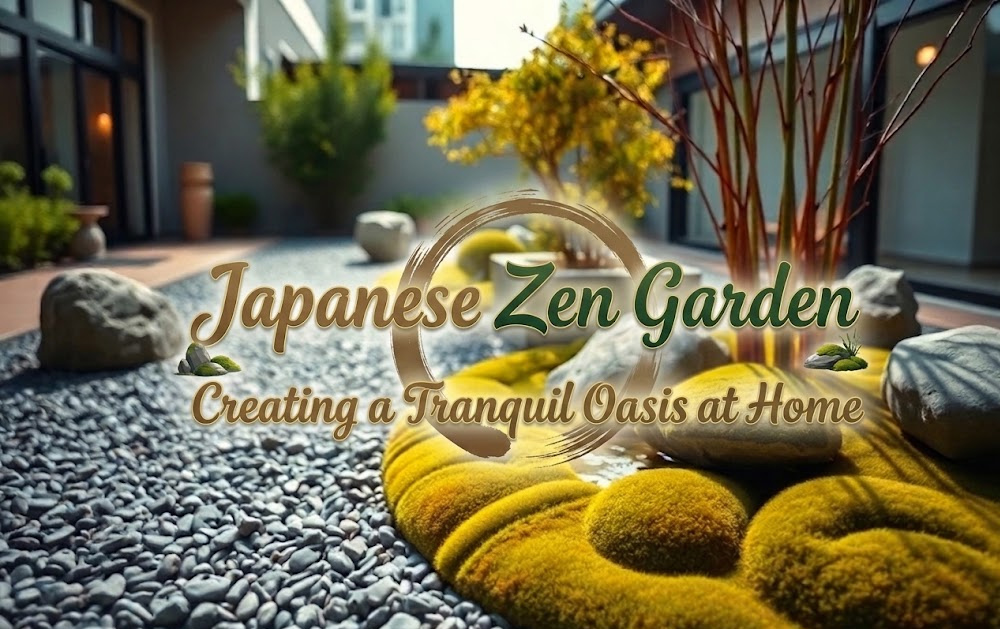
Designing a Japanese Zen Garden The Art of Serenity and Simplicity
In a world full of hustle and bustle, creating a space of tranquility within the home has become increasingly important. Designing a Japanese Zen garden, also known as Karesansui, is a popular approach, with its philosophy emphasizing simplicity, calmness, and a reflection of nature. Zen gardens are not merely green spaces; they are places for contemplation, mindfulness, and connecting with one’s inner spirit. This article will explore the principles, elements, and methods of creating a Japanese Zen garden, enabling you to build a relaxing oasis in your home.
The Philosophy Behind Japanese Zen Gardens
Zen gardens are rooted in Japanese Zen Buddhism, which focuses on meditation, contemplation, and seeking truth through observing nature. These gardens are designed as tools for meditation, often using symbolic representations of natural elements, such as rocks for mountains, sand for water, and moss for forests. Simplicity (Wabi-Sabi), naturalness (Shizen), and emptiness (Ma) are core principles that give Zen gardens their profound meaning beyond mere physical beauty.
Key Principles of Japanese Zen Garden Design
Creating an authentic Zen garden requires an understanding of specific design principles that foster a sense of peace and harmony.
Karesansui or Dry Landscape Gardens
This is the most distinctive form of Zen garden, using rocks and sand as primary elements. Rocks are meticulously placed to represent mountains, islands, or even animals, while sand or gravel is raked into patterns resembling water ripples, symbolizing oceans, seas, or flowing streams. The act of raking the sand itself is a meditative practice, helping practitioners relax and focus on the present moment.
Asymmetry and Balance
Zen gardens do not emphasize perfect symmetry but employ the principle of Fukinsei, or balanced asymmetry. This means arranging various elements to achieve visual balance, even if they are not equal in size or shape. The arrangement of three (San-zon-ishigumi), consisting of two main rocks and one subsidiary rock, is an example of creating asymmetrical balance.
Simplicity and Empty Space
The principle of Yohaku no Bi, or the beauty of empty space, is crucial in Zen gardens. The presence of empty spaces allows the mind to rest and encourages contemplation. By removing unnecessary elements, each component stands out and gains deeper meaning.
Symbolism and Nature
Every element in a Zen garden carries symbolic meaning. Rocks might represent mountains of wisdom, sand might symbolize the flow of life, or moss might signify longevity and ancientness. These arrangements are miniature representations of grand natural landscapes.
Shakkei or Borrowed Scenery
This design technique incorporates external views, such as mountains, trees, or buildings, as part of the garden, making the garden appear more expansive and harmonious with its surroundings.
Essential Elements of a Japanese Zen Garden
Appropriate selection and arrangement of these elements will give your garden an authentic Zen atmosphere.
Rocks (Ishi)
- Main Rocks (Shuseki) These are often the largest rocks and serve as the focal point of the garden.
- Secondary Rocks (Fukuishi) Rocks arranged around the main rocks to create balance.
- Horizontal Rocks (Kyakuseki) Rocks placed horizontally to evoke a sense of calm and stability.
- Choose rocks with natural shapes, colors, and textures, arranging them to appear as if they naturally occurred.
Sand or Gravel (Suna/Jari)
- Use uniform-sized gravel, typically in light colors like gray or white, to facilitate raking.
- Common raking patterns include wavy lines resembling water, circular patterns around rocks, or straight lines.
- Raking sand is a meditative activity that promotes focus and maintains the garden’s pristine appearance.
Water (Mizu) or Symbolic Water
- In Karesansui gardens, raked sand symbolizes water. However, some gardens may incorporate actual water elements like small ponds, miniature waterfalls, or bamboo water spouts (Shishi-odoshi) to add natural sounds.
Plants (Shokubutsu)
Zen gardens favor low-maintenance plants with distinctive characteristics.
- Moss (Koke) A crucial element that creates a sense of age, tranquility, and connection to nature.
- Dwarf shrubs and conifers Such as Japanese Black Pine, Japanese Maple, and Azalea.
- Bamboo (Take) Adds verticality and the sound of rustling leaves.
- Niwaki (cloud-pruning) is an important art for controlling the size and shape of plants.
Other Supplementary Elements
- Stone Lanterns (Toro) Provide illumination and aesthetic beauty in the evening.
- Bridges (Hashi) If a pond is present, small wooden or stone bridges may be included.
- Stepping Stones (Tobi-ishi) Irregularly placed stones forming a path, encouraging slow steps and observation of surroundings.
Steps to Create Your Own Japanese Zen Garden
Creating a Zen garden is not difficult if you understand the principles and have a good plan.
1. Site Selection
Zen gardens can be created in small spaces, such as balconies, or larger backyard areas. Choose a spot that receives moderate sunlight and has good drainage.
2. Planning and Design
Start by drawing a layout, determining the placement of main rocks, sand, and plants. Visualize the natural landscape you wish to emulate.
3. Site Preparation
Level the ground and lay a weed barrier beneath the gravel/sand to prevent weed growth and aid drainage.
4. Material Selection and Sourcing
Select rocks of varying shapes and sizes, sand or gravel of appropriate color and grade, and plants that suit the climate and garden concept.
5. Arrangement and Construction
Begin by placing the main rocks, then gradually add secondary rocks and other elements. Arrange the plants, and finally, spread the sand or gravel evenly before beginning to rake patterns.
6. Maintenance
Zen gardens require simple maintenance, such as regular raking of sand, pruning of plants, and weeding. This upkeep is considered part of the meditative practice.
Benefits of Having a Japanese Zen Garden at Home
Having a Zen garden at home offers numerous benefits beyond aesthetics.
- Reduces Stress and Increases Serenity Observing a simple and orderly garden helps calm the mind.
- Promotes Mindfulness and Meditation Raking sand or simply sitting and observing the garden helps the mind focus on the present.
- Aesthetic Beauty and Appreciation A Zen garden is a living art form that reflects natural beauty.
- Connection to Nature Even as a miniature representation, it fosters a closer connection to the natural world.
- Adds Value and Appeal to Your Home A unique Zen garden can be a distinctive feature of your home.
Conclusion
Creating a Japanese Zen garden in your home is more than just landscaping; it’s about establishing a sacred space that reflects the philosophy of peace, simplicity, and contemplation. With design principles rooted in harmony with nature, symbolic arrangement of elements, and mindful maintenance, your Zen garden will become a personal oasis that provides daily relaxation and brings balance to your life.
